Running design in a subscription agency

Overview
Catalog is a subscription-based design agency. The model consists of fast turnarounds, lots of iteration, and staying close to client needs while moving quickly. My job as Design Director was to keep quality high while juggling a lot of parallel work. At any given time, I was the main contact for 10 to 15 active clients alongside our lead PM, and I led a team of six designers through briefs, reviews, direction, and delivery.
In practice, my work was helping founders and teams ship improvements, tighten product thinking, and build consistency across product and brand. A lot of clients came to us in hopes of raising funds post-engagement.
Problem
Early stage teams rarely show up with clean requirements. Most of the time they show up with something that works well enough, but leaks in important places. Or they have a product direction that makes sense in their head, but not yet in the UI. Or they are moving so fast that design becomes reactive unless somebody puts shape around the work.
The hard part in an agency setting is not designing one good screen. It’s making good decisions repeatedly, across different teams, with different constraints, while keeping the work coherent and shippable.
How things were run
Externally, I tried to keep things simple and consistent across clients, even with highly variable requests. Our PM was integral in maintaining clarity and communication with the clients while the work was progressing. Depending on the type of client, we’d have weekly calls to update and sync on the status of the work.
Internally, my role was to keep the loop moving. That meant writing and tightening briefs, keeping design reviews sharp, helping designers avoid over building, and stepping in when a project needed a push.
Three client examples
Mindbloom
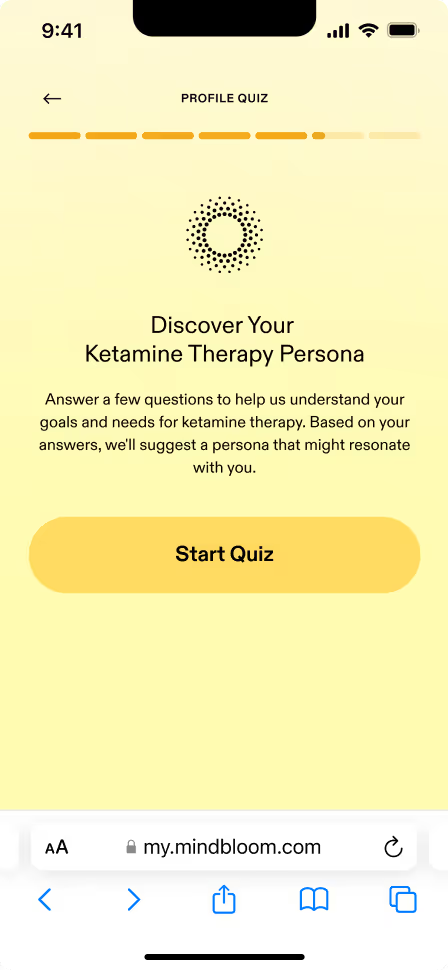
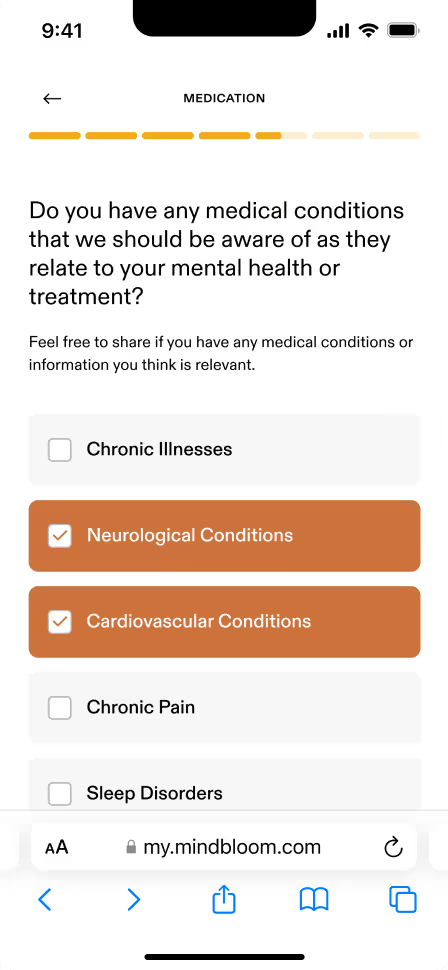
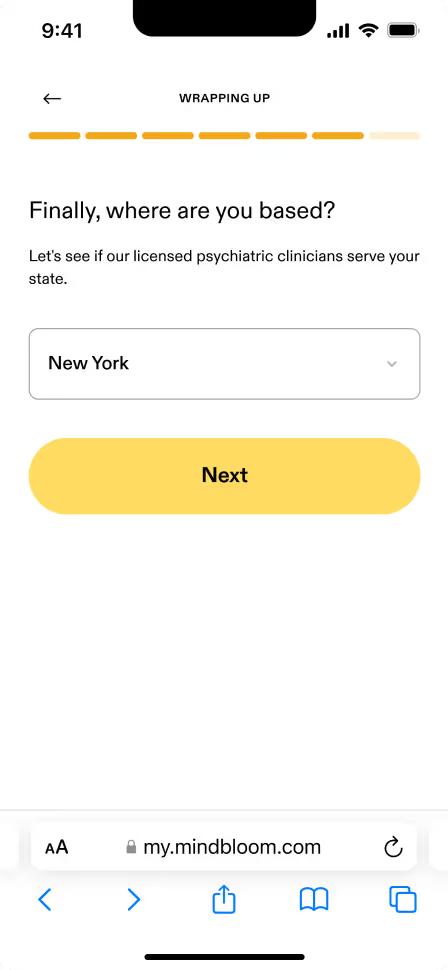
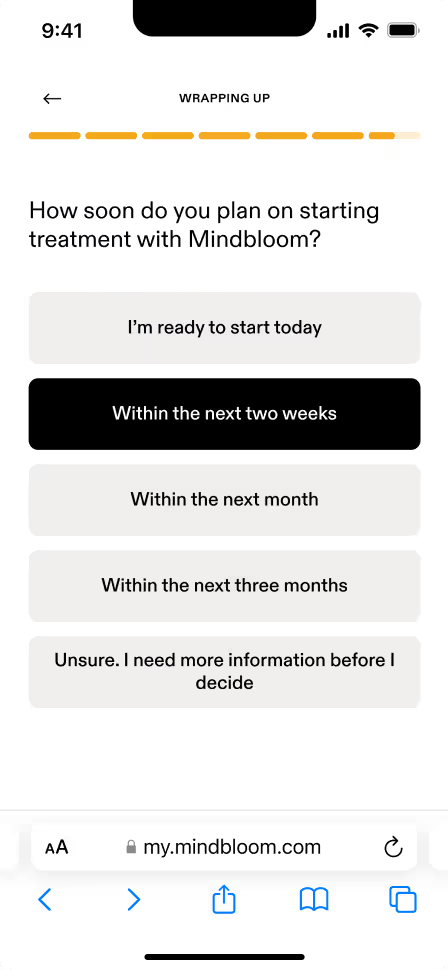
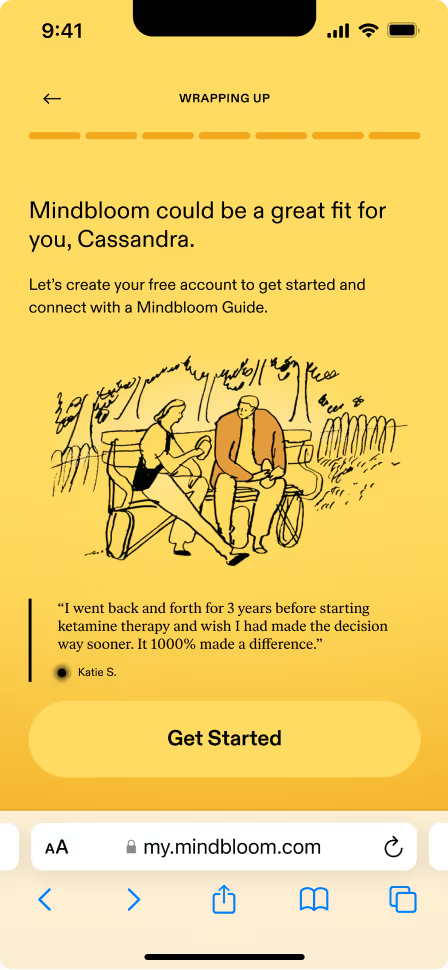
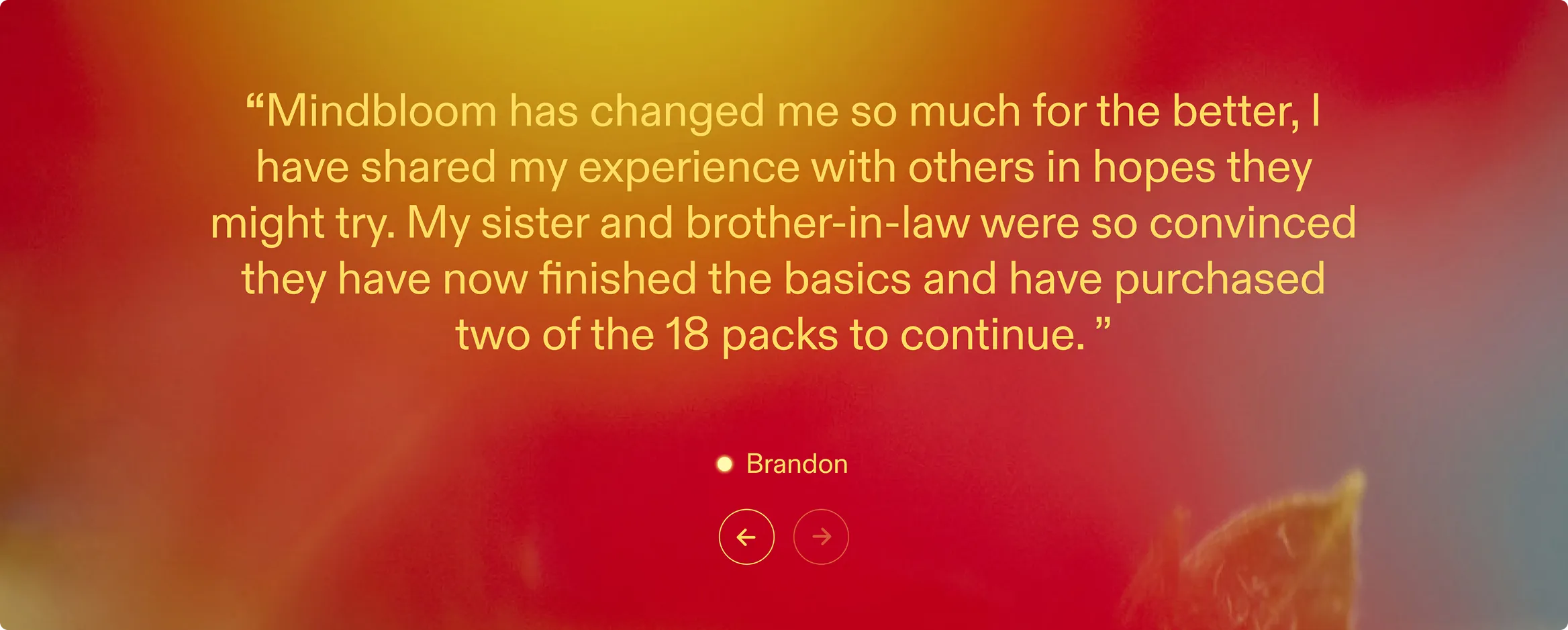
Mindbloom came in with a product that already worked, but needed to work better at key moments where users decide if they trust the experience. A lot of our time went into reducing friction in core flows and improving clarity when users were making decisions.
- UX audit across key product flows
- Onboarding improvements and A/B tests focused on conversion
- Booking and session prep experience cleanups
- Surveys and feedback flows, including copy and completion improvements
- Plan and package pages, with clearer positioning and decision support
- Experiments on marketing and sales pages to reduce drop off
- Early exploration and testing of AI related product ideas
.webp)
DXRacer
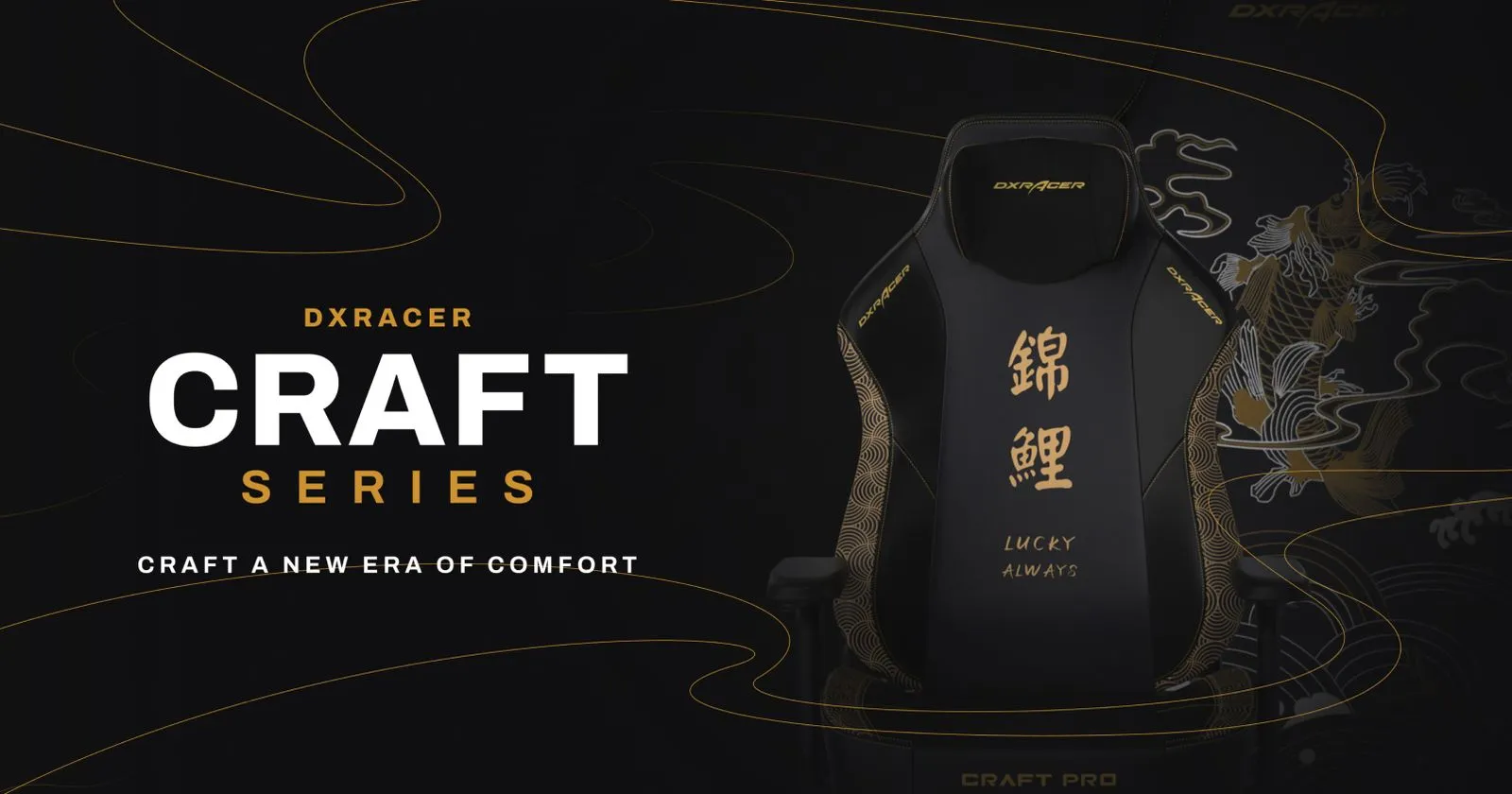
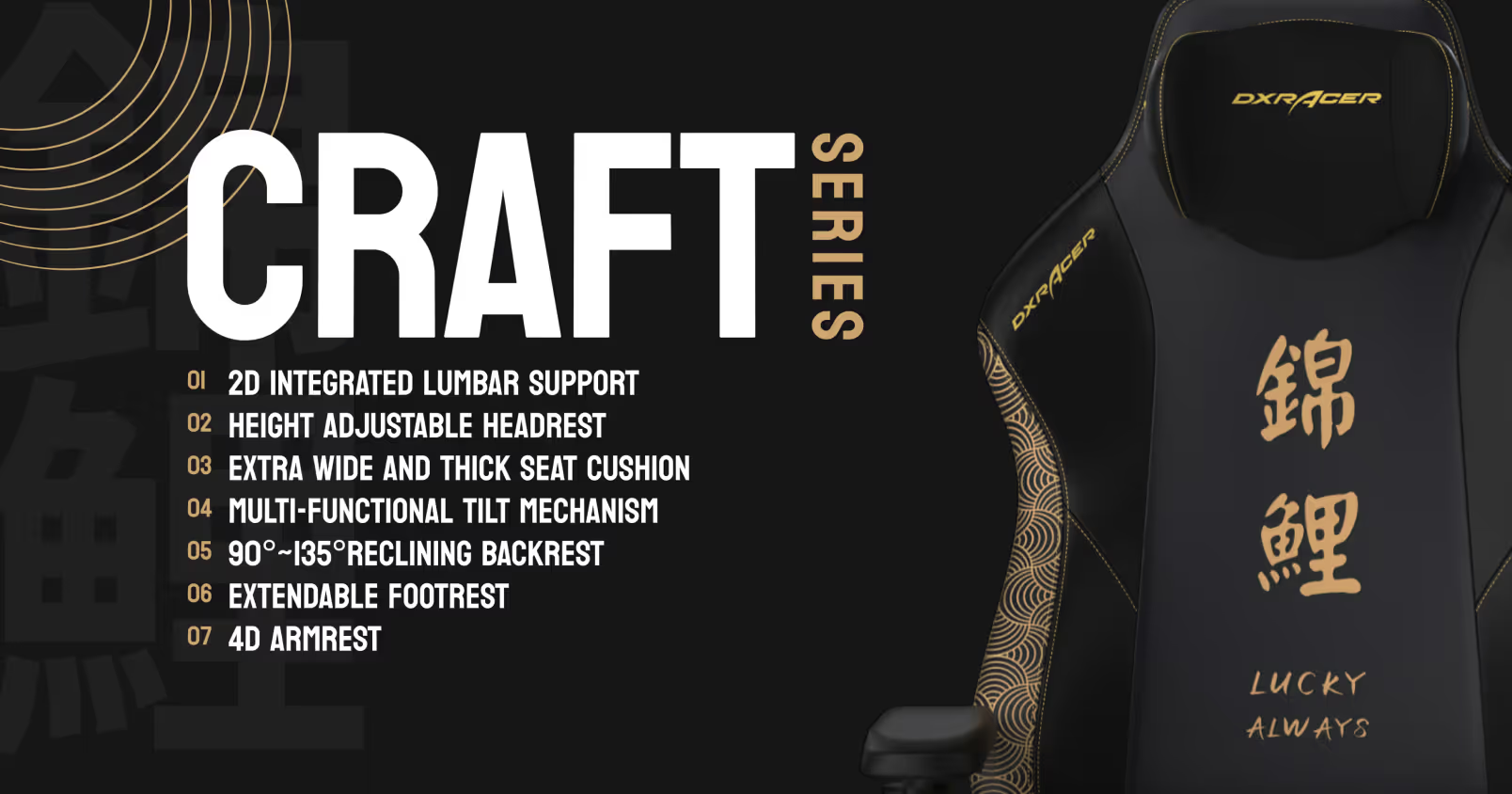
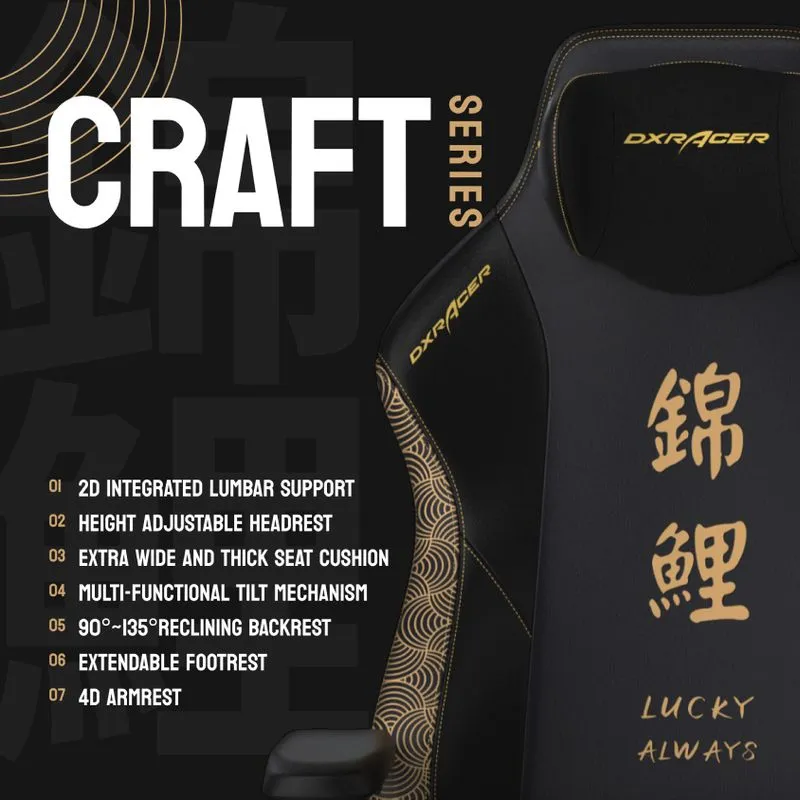
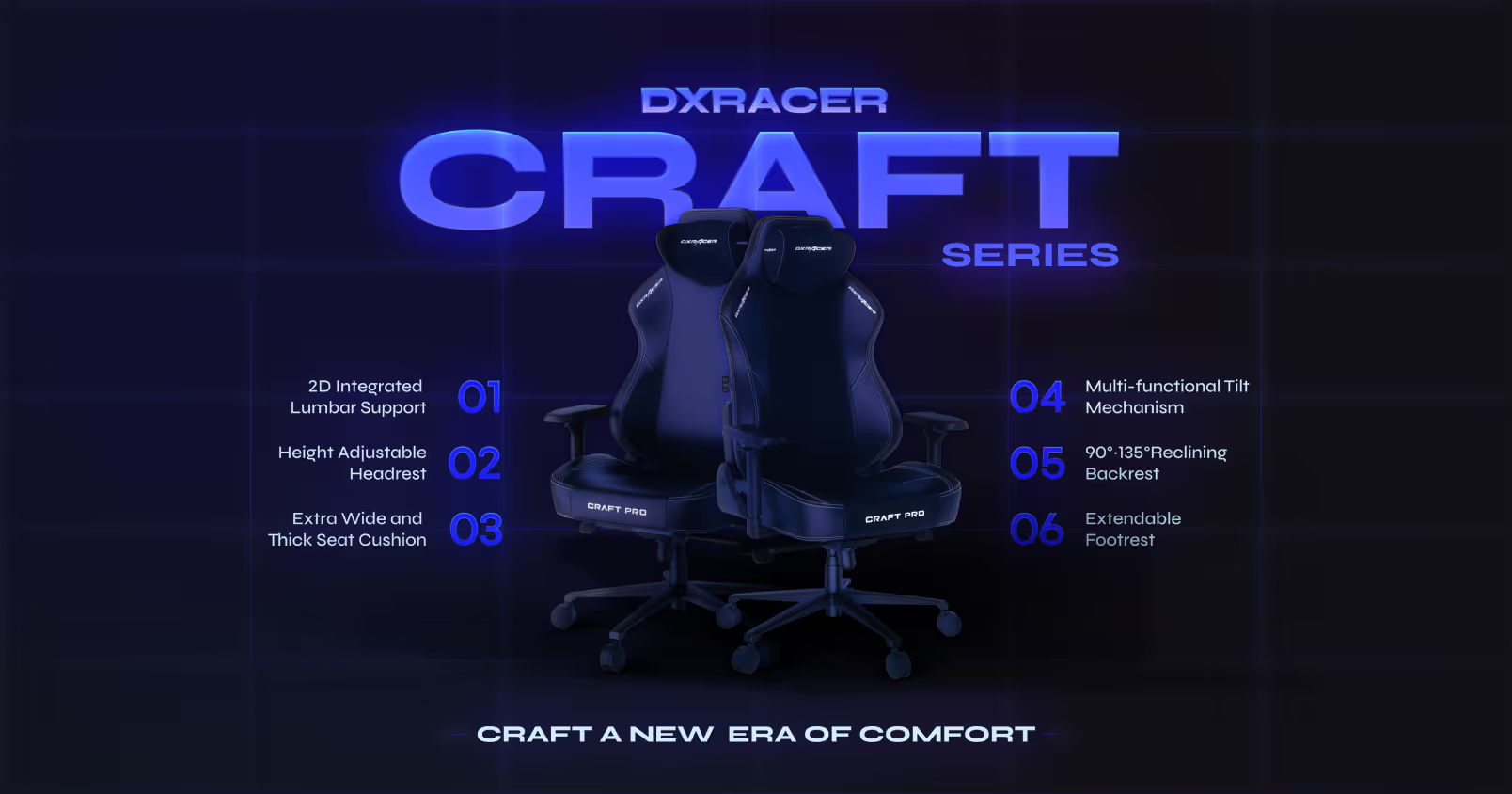
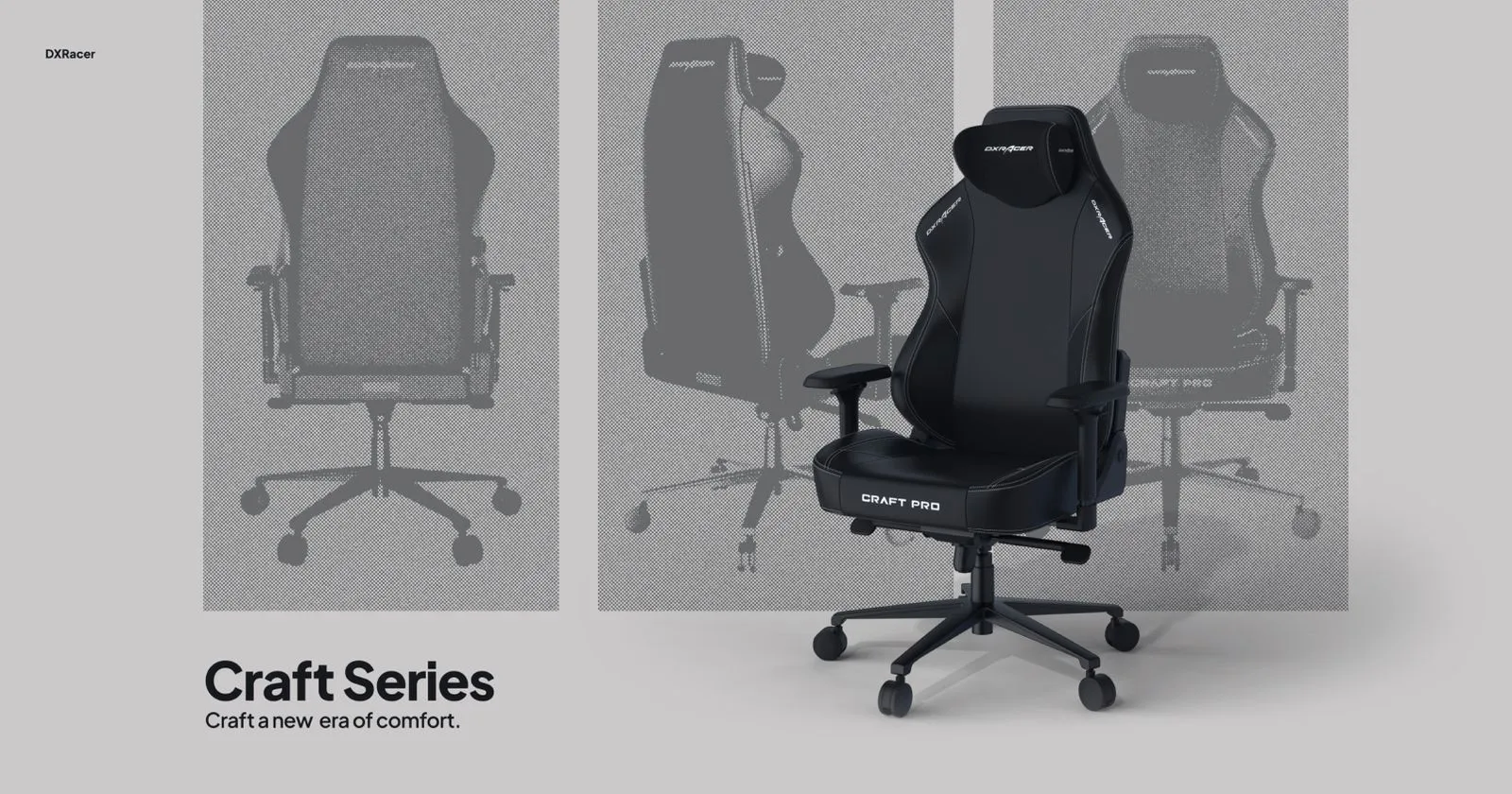
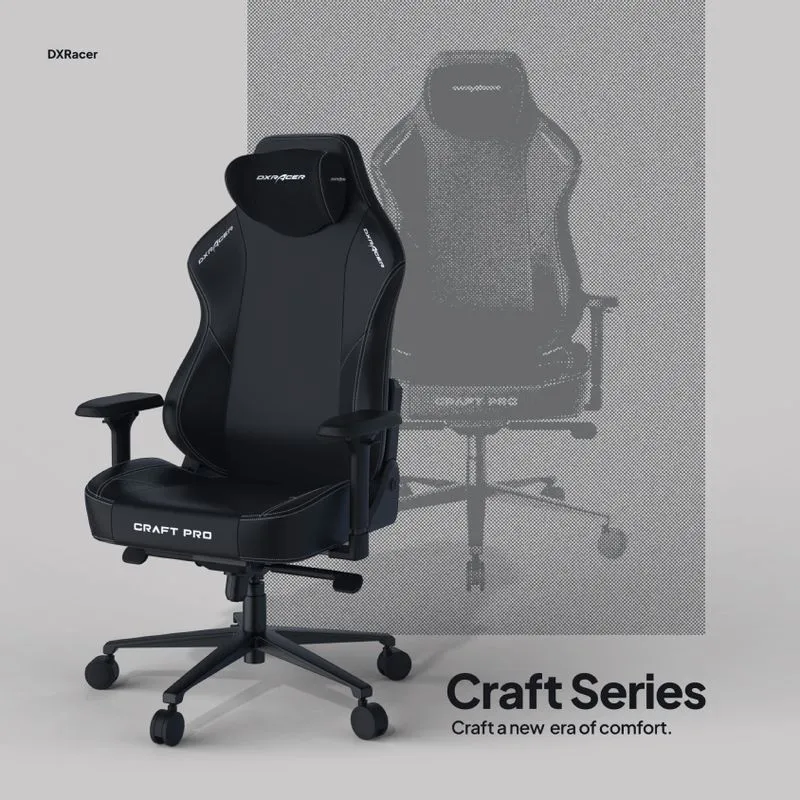
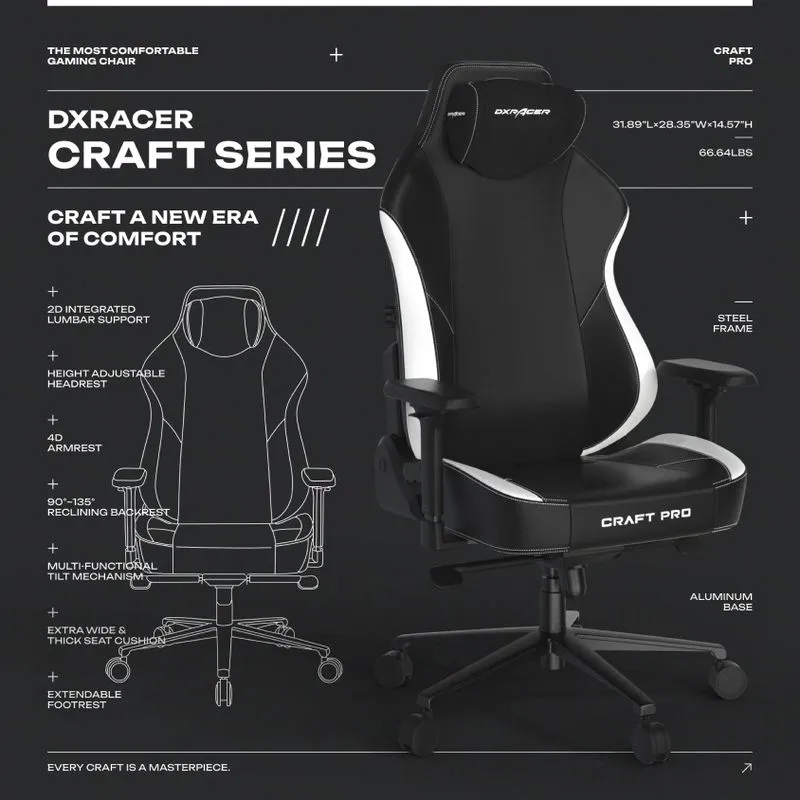
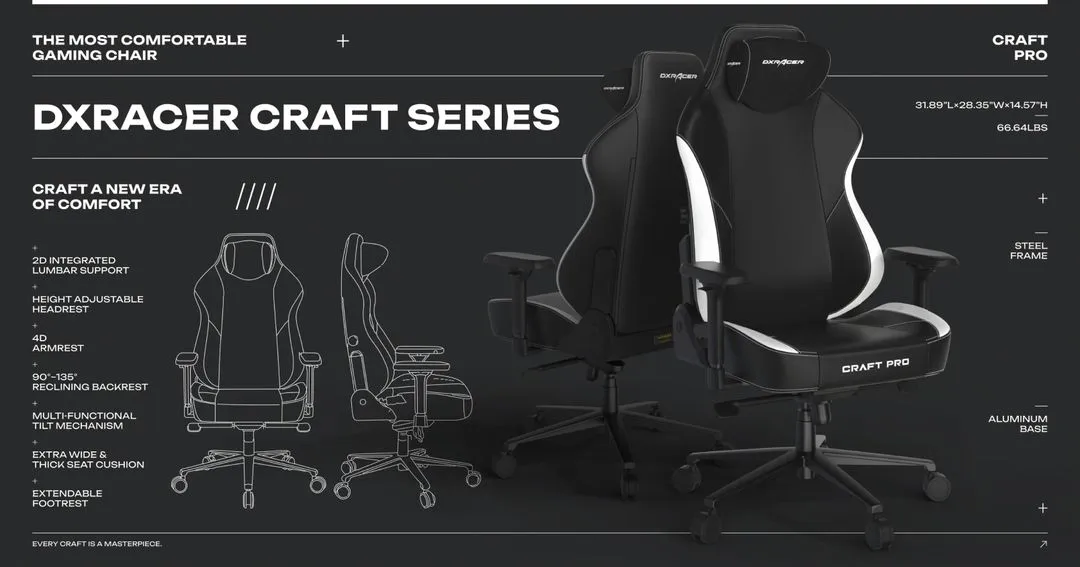
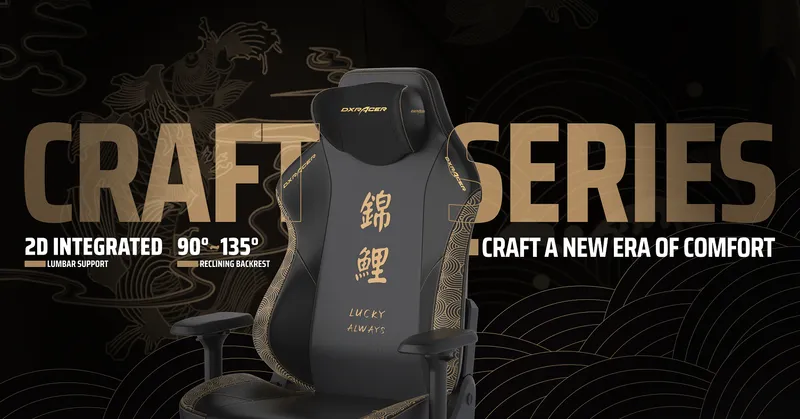
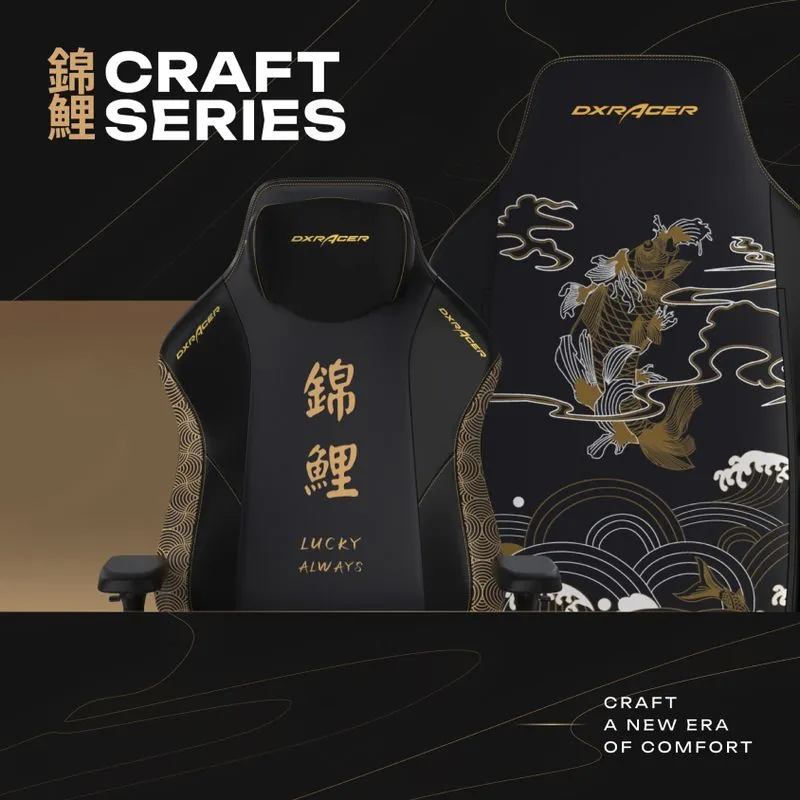
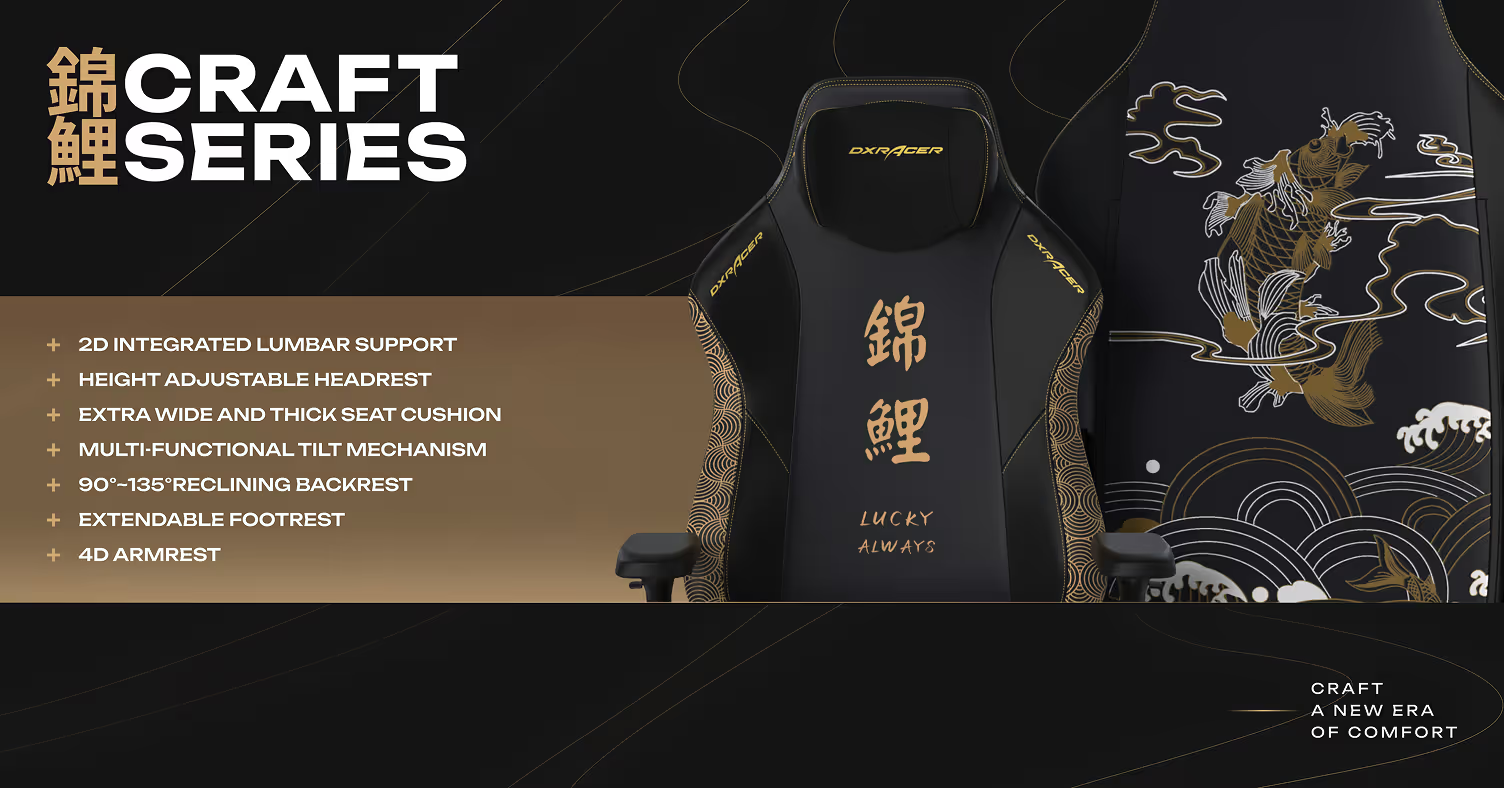
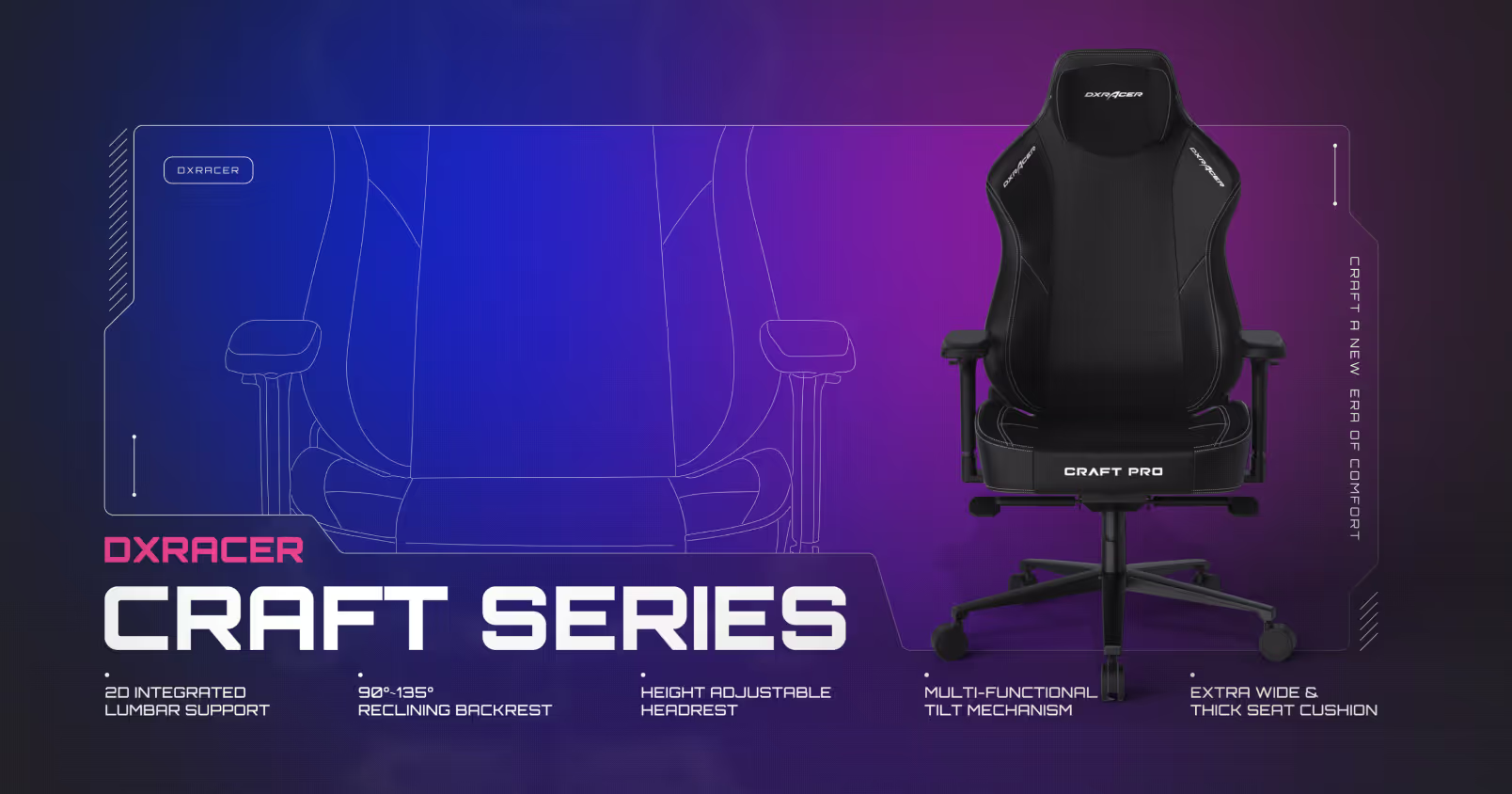
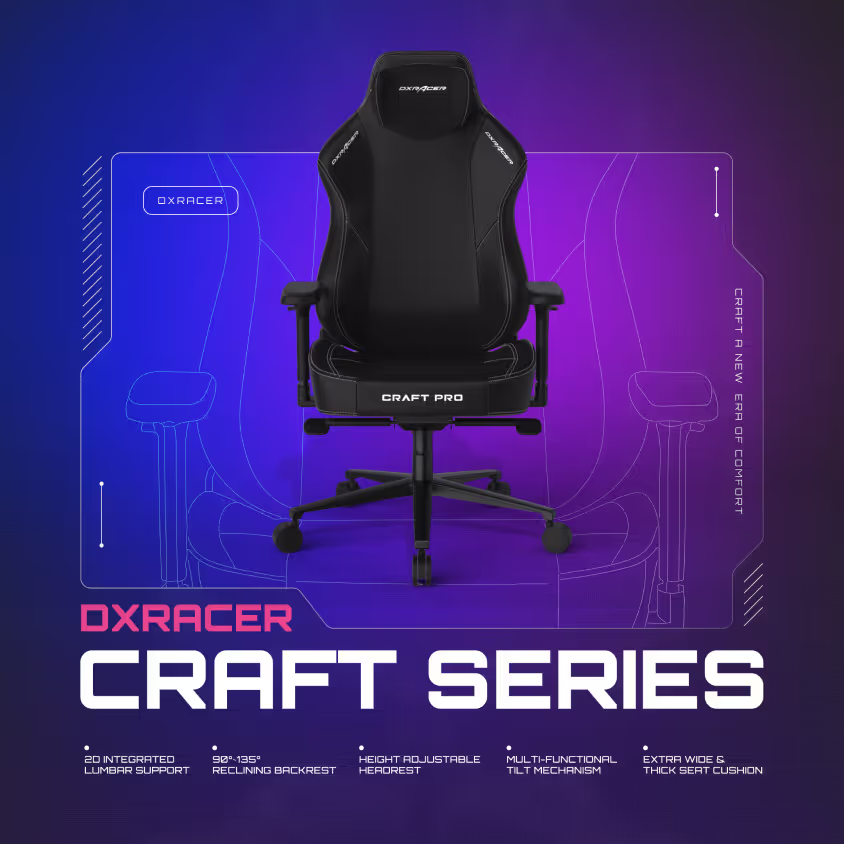
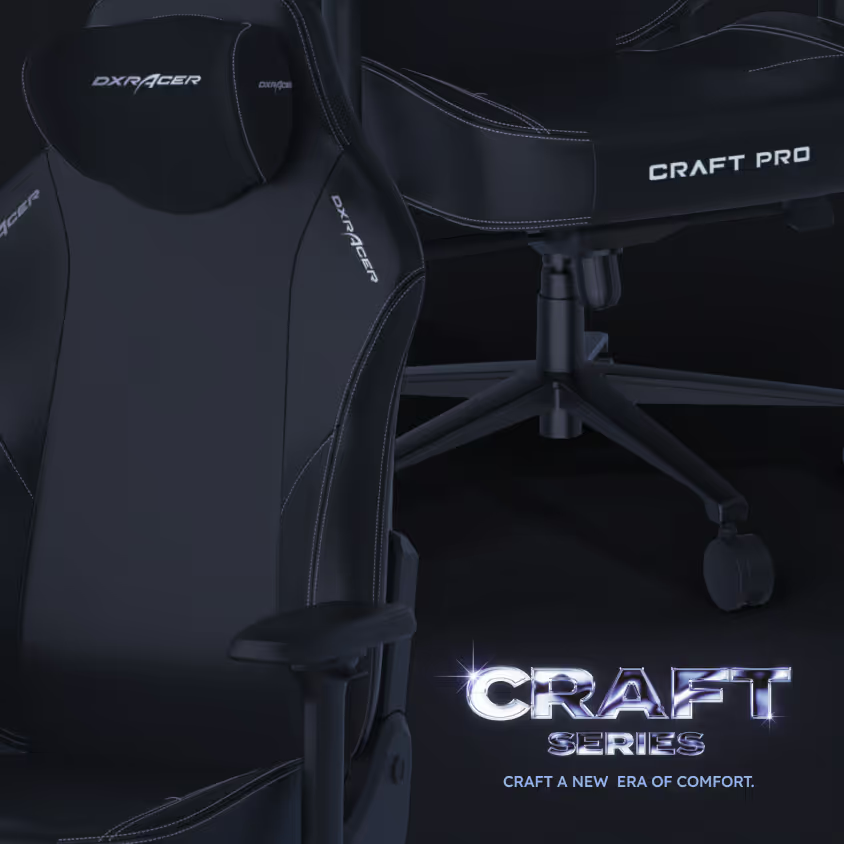
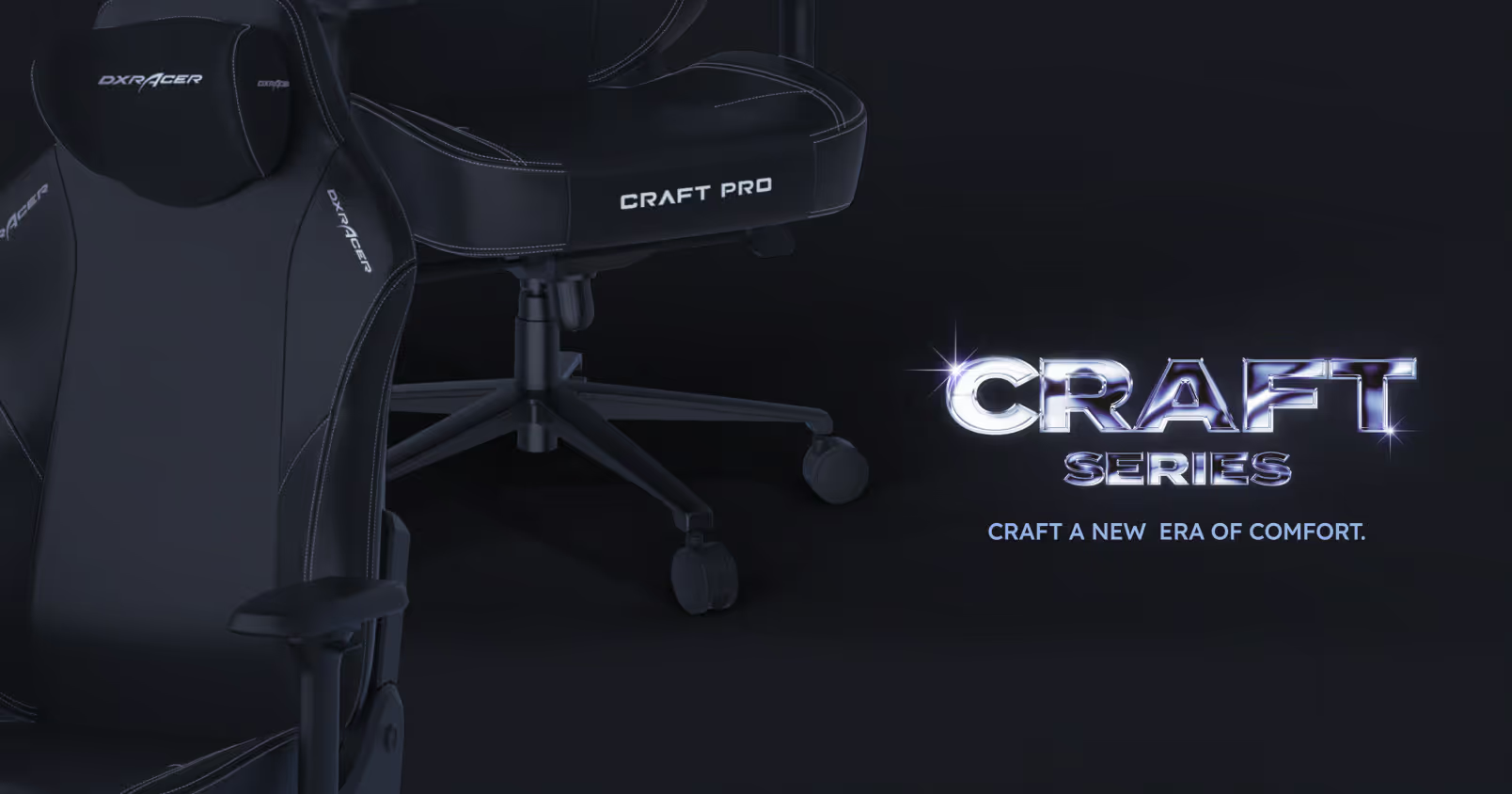
DXRacer was a different kind of engagement. It was less exploratory and more execution at scale. They needed a steady stream of marketing and social assets tied to product lines, with consistent quality and consistent branding across formats.
- Social campaign creative for product releases
- Visual direction and templates across formats and channels
- Product focused graphics and layouts for new drops and promos
- Iterations based on performance and what the team needed next



Magic
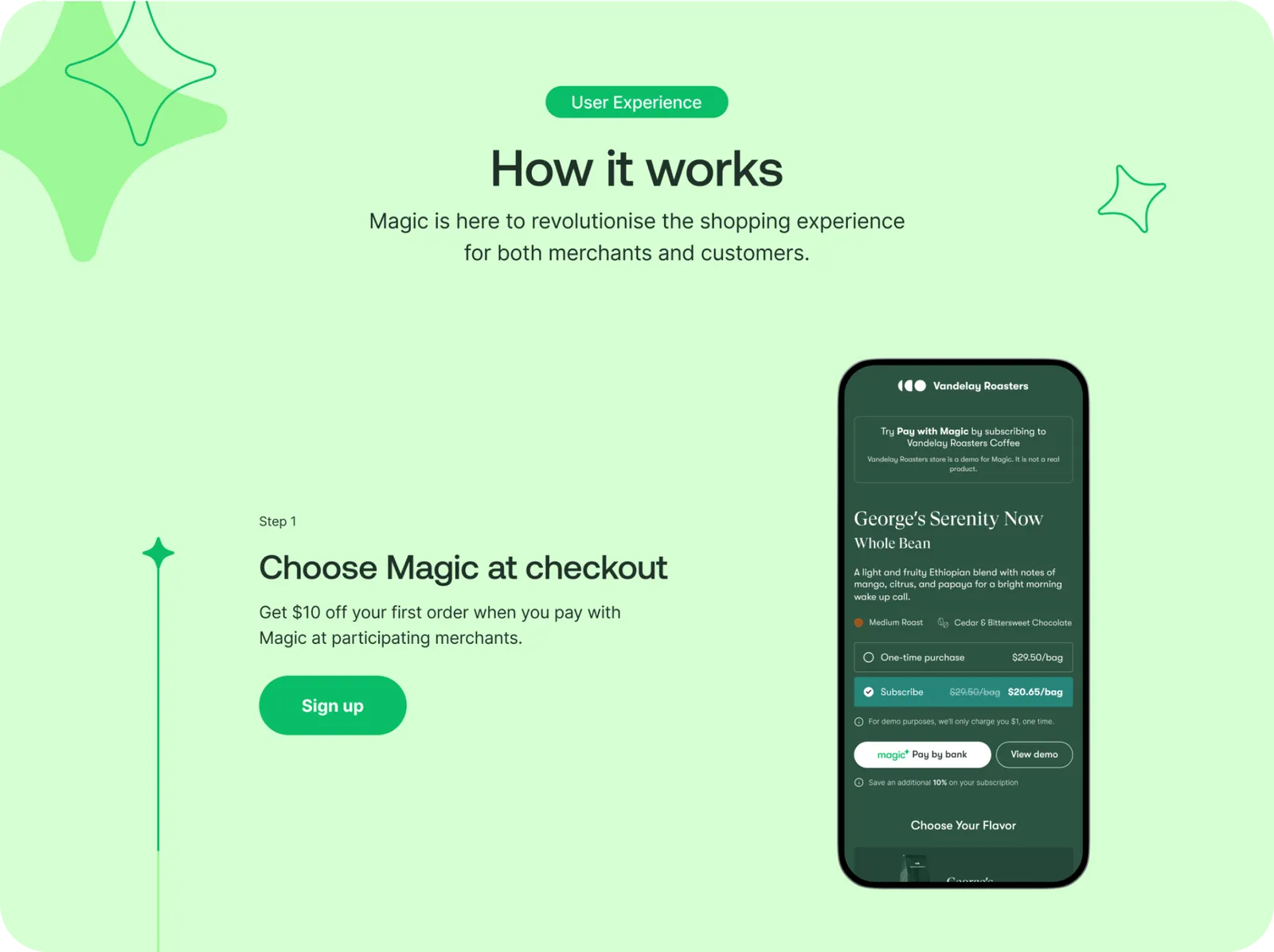
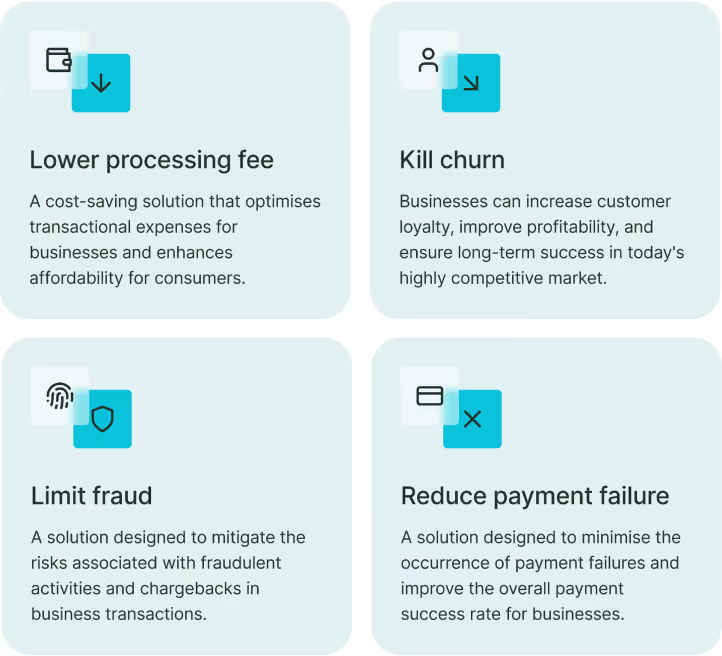
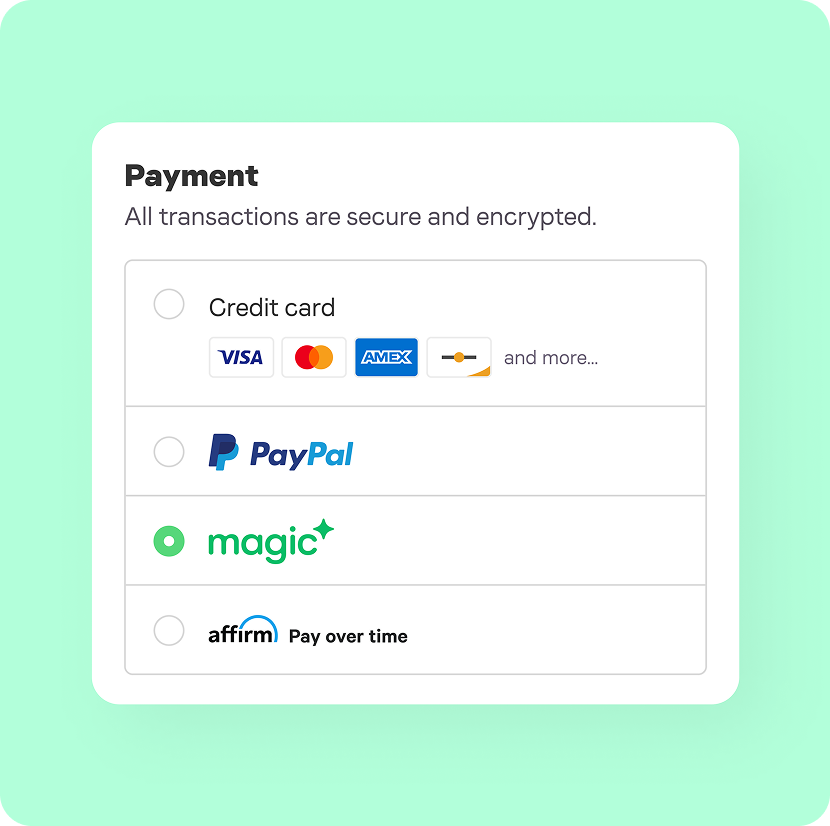
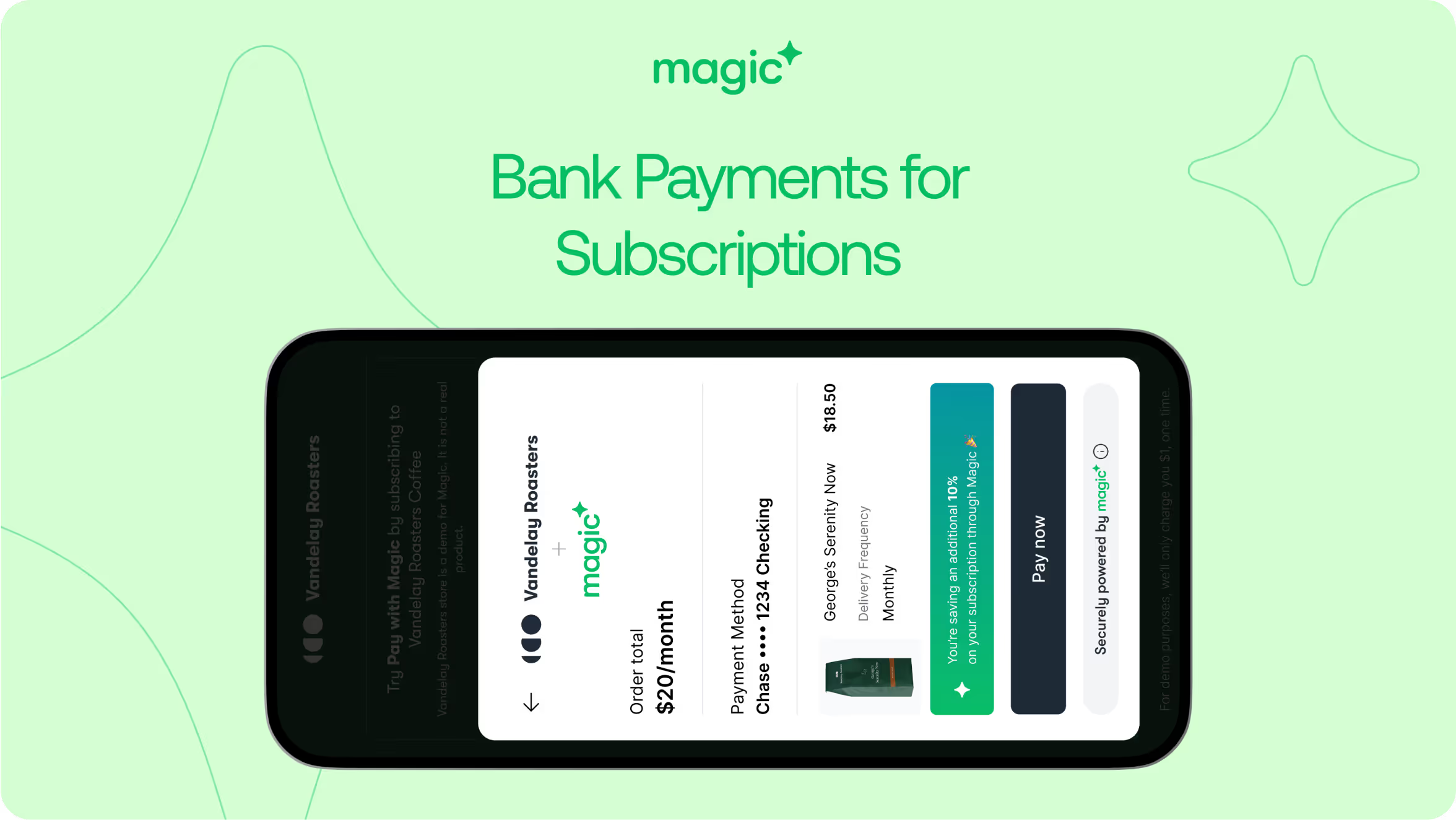
Magic approached us pre launch. They needed a brand and early product story from scratch, and they were still figuring out what angle would land with users and merchants. We started from a user incentive framing, then shifted toward a merchant first narrative as we learned more.
- Brand foundation from scratch (identity direction, tone, visual language)
- Early product and marketing storytelling as the positioning evolved
- Landing pages and conversion focused site content
- Core product flows for early users
- Design support across product and marketing touch-points



.png)
Catalog’s impact on me
The agency world can move at an even faster pace than early-stage startups. Agency work forces you to build judgment. With the turnarounds we had at Catalog, there was no time to research an idea later or refine further down the product lifecycle. You have to care about craft, but you learn to care about craft in the right moments and places. The kind that ships and holds up when a real team implements it.
My biggest learning at Catalog was that most teams didn’t need more design artifacts, they needed help making decisions. The team’s job was to give founders confidence.
My role
- I was part of the sales loop. I helped evaluate fit, clarify scope, and close new clients.
- I built client profiles with our PM so the team had a clear read on goals, timelines, and constraints before design started.
- I staffed projects and managed designer bandwidth across 10 to 15 clients at a time.
- I led briefs and design reviews, supported execution, and stepped in to design when a project needed a push.
- I co-led client delivery with our PM, including presenting, handling feedback, and making the call on what to ship now vs later.
- I captured the work in a way we could reuse: internal notes, outcome snapshots, and artifacts that made sales and onboarding easier.